Business License
The Advantages of Mini Scuba Tanks: A Comparative Guide with Standard Scuba Diving Equipment
Introduction
Scuba diving has long been a popular activity for underwater exploration, but traditional scuba tanks can be cumbersome and require significant physical effort to transport. In recent years, mini scuba tanks have gained traction among divers looking for a more compact, lightweight alternative. These smaller tanks offer several advantages over standard scuba tanks, making them ideal for certain diving scenarios.
In this article, we will explore the advantages of mini scuba tanks, compare them with traditional scuba tanks, and provide an overview of some of the leading brands in the market today. Specifically, we will delve into the features of LungTank, DEDPU, and Thaistone, while also looking at the impact of the popular American brand SpareAir on the development of mini tanks.
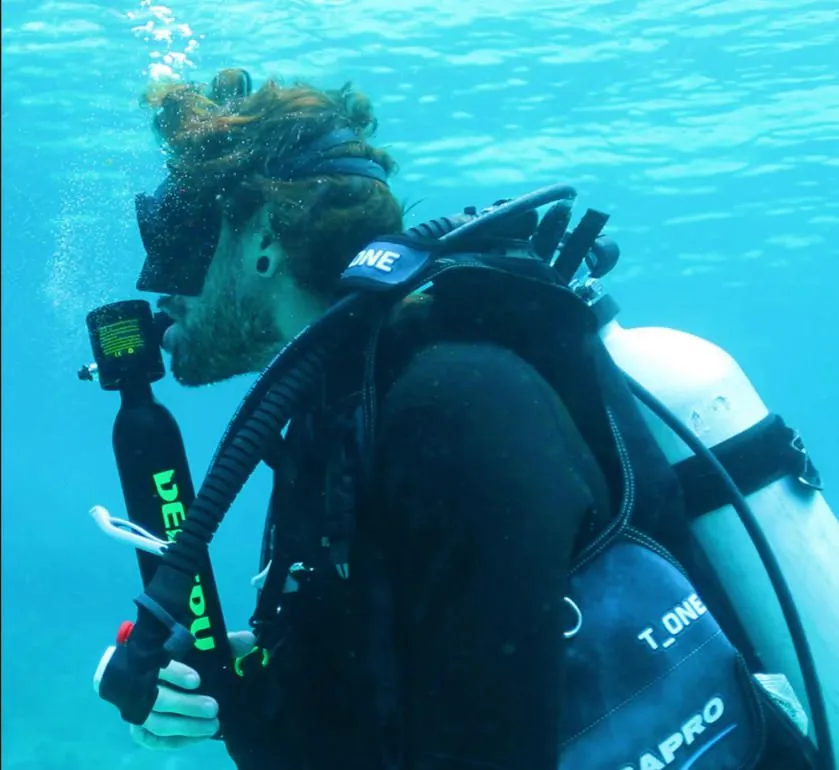
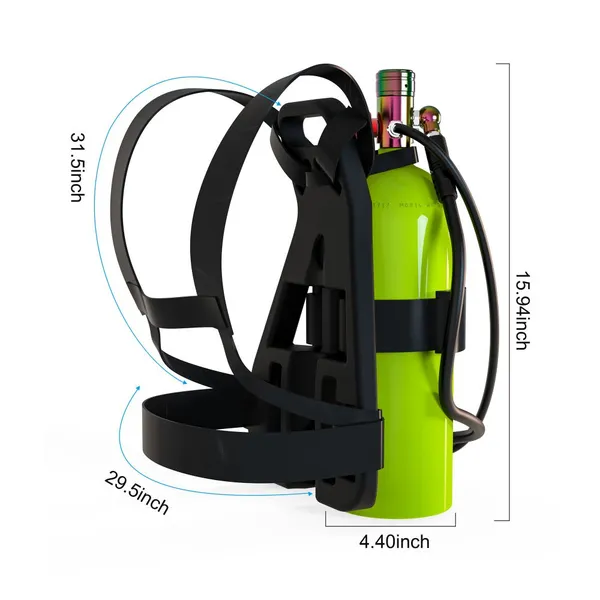
Mini scuba tanks, also known as emergency air supply tanks or spare air tanks, are compact, portable versions of the standard scuba tank used to provide a limited amount of air for divers in case of emergency situations. They are typically small enough to be carried by hand, either in a vest, belt, or backpack, and are usually used for short dives, safety backup, or supplementary air during emergency situations when a diver runs low on air.
1. Portability and Compact Design
Mini scuba tanks are significantly smaller and lighter than traditional scuba tanks. The typical size of a standard scuba tank (often 12L or 80 cu ft) can weigh up to 3-4 kg when empty and be cumbersome to carry for beginners or those looking to dive for short durations. In contrast, mini tanks, with a capacity ranging from 0.5L to 1.5L, are designed for lightweight portability and are easier to handle, making them ideal for short recreational dives or emergency use.
2. Ease of Use
Mini scuba tanks are often simpler to use compared to the full-sized version. Many mini tanks come equipped with one-way valves or simple breathing regulators, allowing divers to quickly get a breath of air when needed, without complicated setup procedures. This makes them a perfect choice for beginners or casual divers who don’t require a full dive setup.
3. Safety Backup for Emergencies
One of the most compelling advantages of mini tanks is their role as emergency backup equipment. In case of an air supply failure during a dive, a mini tank offers a life-saving alternative. The small volume is enough to allow a diver to safely ascend or reach a point of assistance without panicking or running out of air.
4. Cost-Effectiveness
Mini scuba tanks are generally more affordable than traditional scuba systems. The overall cost of purchasing and maintaining a mini tank (filling it up, storage, etc.) is significantly lower, making them a cost-effective choice for recreational divers or those on a budget.
5. Ideal for Specific Diving Scenarios
Mini scuba tanks are particularly useful for certain activities like snorkeling, cave diving, kayaking, and stand-up paddleboarding. They allow divers to explore underwater for short periods without the need for heavy scuba equipment. Additionally, they are perfect for diving in shallow waters where long air supply isn’t necessary.

While mini tanks offer numerous benefits, it is essential to compare them with traditional scuba tanks to understand where each option excels.
| Feature | Mini Scuba Tanks | Standard Scuba Tanks |
|---|---|---|
| Size & Weight | Compact and lightweight (0.5L to 1.5L) | Large and heavy (12L to 15L) |
| Air Supply | Shorter air supply (usually enough for 5-10 minutes) | Longer air supply (typically 60-90 minutes) |
| Use Case | Emergency backup, shallow water, short recreational dives | Deep dives, long-duration dives |
| Portability | High portability, easy to carry | Less portable, requires tanks and other equipment |
| Regulation & Setup | Simple regulator and breathing system | More complex, includes tanks, gauges, regulators |
| Cost | Less expensive | Higher cost, maintenance, and filling fees |
| Safety | Primarily for safety emergencies | Designed for safe, prolonged underwater exploration |
Brand Spotlight: Leading Mini Scuba Tank Brands
Several brands have emerged as leaders in the mini scuba tank market, each offering unique features tailored to various diving needs. Let's take a closer look at three key brands: LungTank, DEDPU, Thaistone, and how SpareAir from the United States has influenced the market.
LungTank is a highly regarded brand that has developed a reputation for producing compact, high-quality mini scuba tanks. Known for their ease of use and portability, LungTank’s products are ideal for recreational divers and emergency situations. Their tanks typically come with a 500cc to 1L capacity, providing enough air for a short dive, safety backup, or recreational snorkeling.
Key Features of LungTank:
Ergonomic Design: Designed for maximum comfort, the LungTank mini tank is lightweight and fits comfortably into most dive vests.
Easy to Fill: LungTank tanks can be filled using a standard SCUBA compressor, making it easy to refill between dives.
Durable Material: Constructed from high-strength aluminum alloys, ensuring that the tank is durable enough for multiple dives without compromising on weight or portability.
Affordable Price: LungTank products are priced competitively, offering divers an affordable alternative to standard scuba equipment.
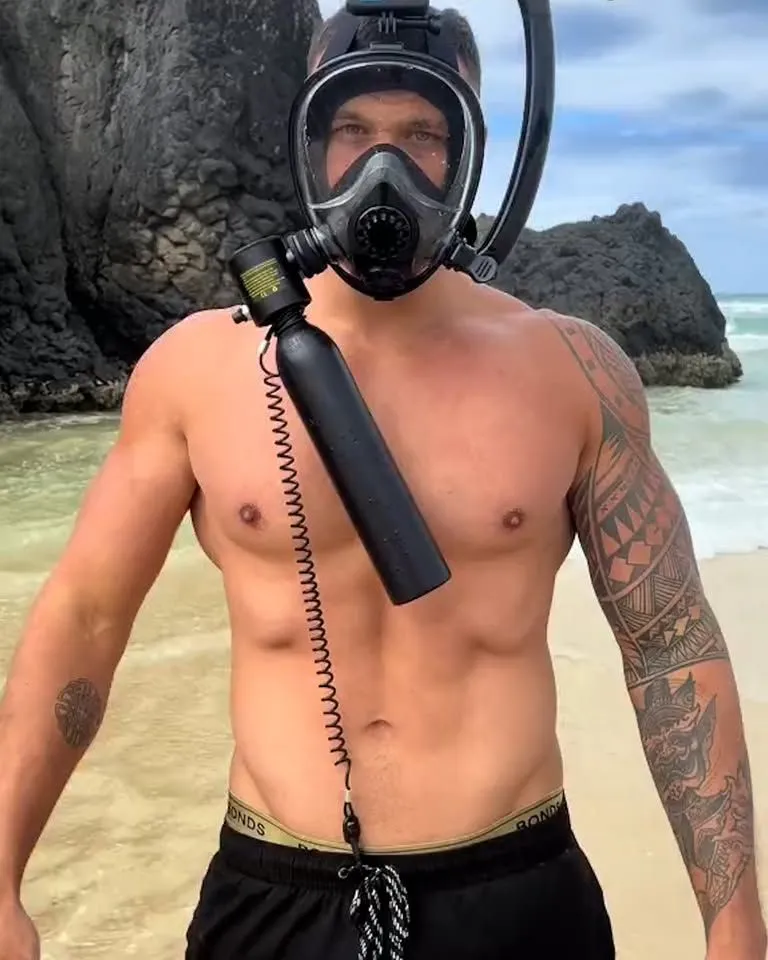
DEDPU has emerged as a prominent brand in the mini scuba tank market, offering tanks that combine portability, reliability, and functionality. Their tanks range from 0.5L to 1L, providing divers with an ideal backup air supply.
Key Features of DEDPU:
High-Pressure Technology: DEDPU tanks are designed to operate at higher pressure levels, offering a longer air supply for divers.
Safety Valve: Many DEDPU tanks are equipped with one-way safety valves, preventing accidental air leakage and ensuring safety during emergency use.
Customization Options: DEDPU offers a range of customization options, including different sizes, colors, and valve types, allowing divers to choose the perfect mini tank for their needs.
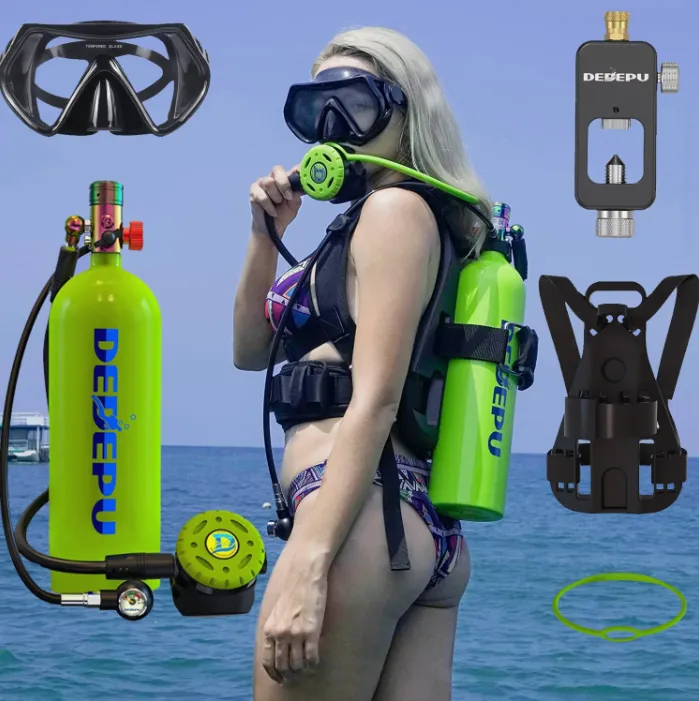
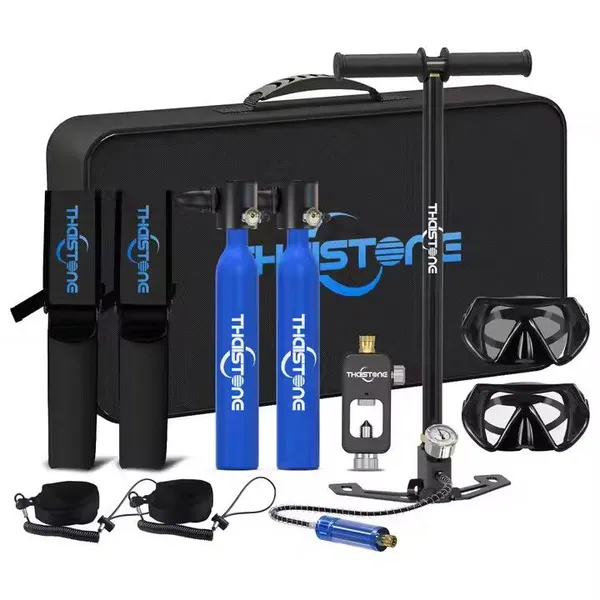
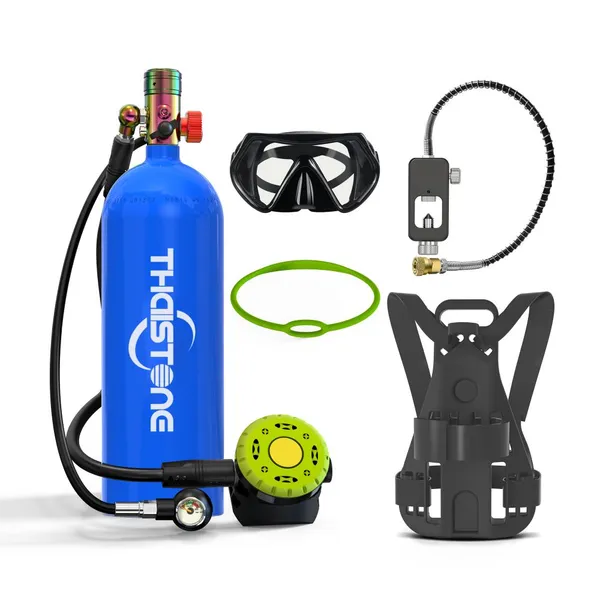
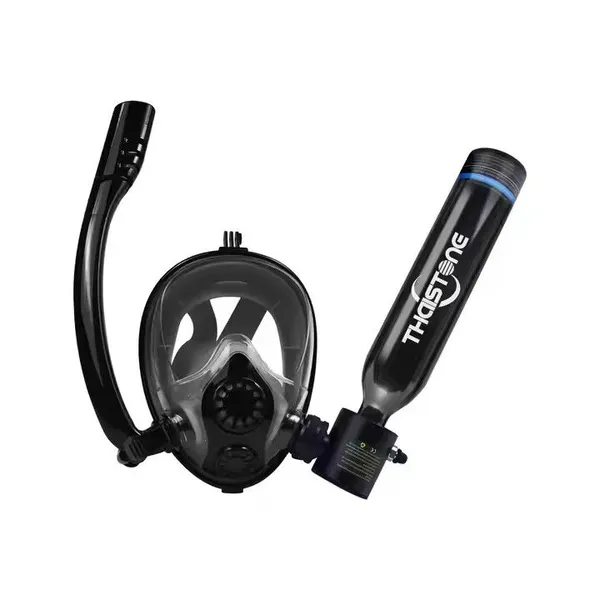
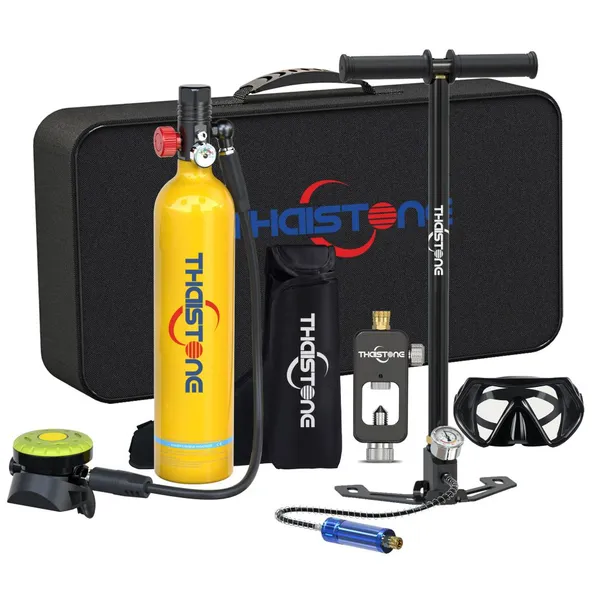
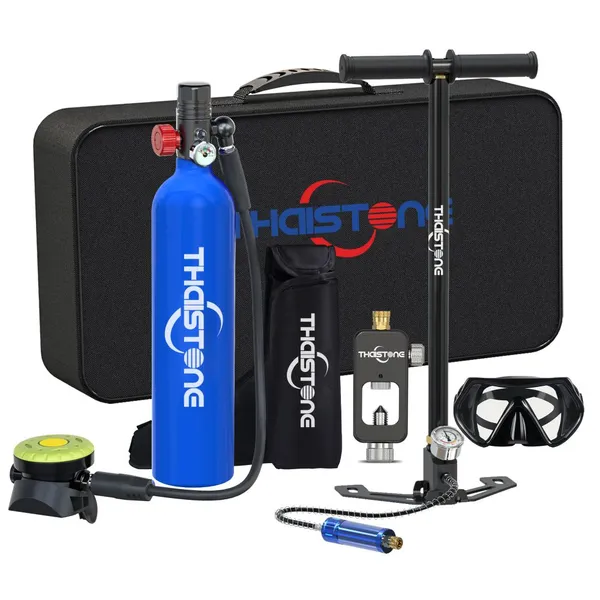
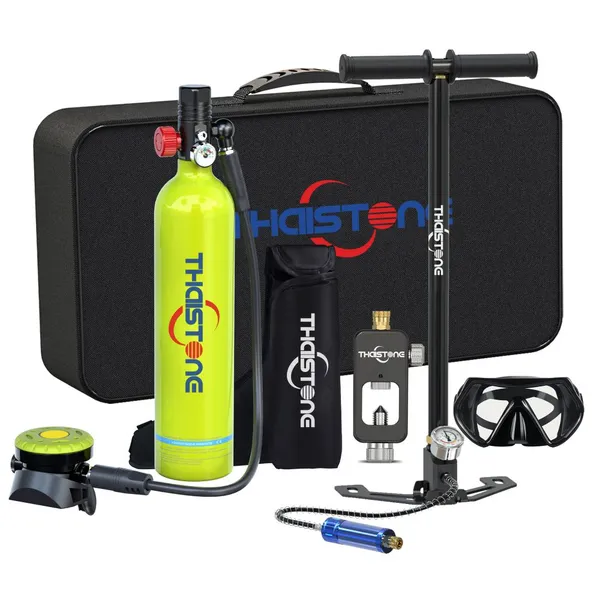
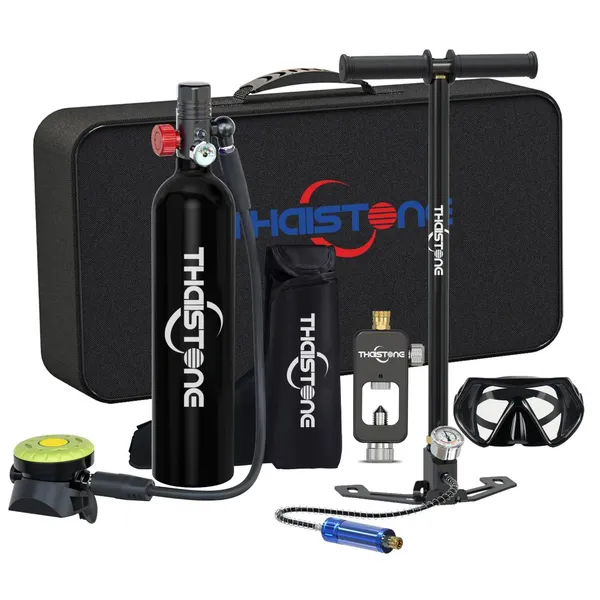
Thaistone is a brand known for its rugged, reliable, and user-friendly mini scuba tanks. Offering tanks with capacities of 0.5L to 1.5L, Thaistone focuses on providing equipment that is durable and easy to use for both recreational and professional divers.
Key Features of Thaistone:
Sturdy Construction: Thaistone tanks are made of high-quality steel and aluminum, ensuring long-lasting performance.
Compact Design: Their tanks feature a sleek, compact design that is ideal for portability, fitting easily into a backpack or dive kit.
Affordability: Thaistone is recognized for providing affordable tanks that do not compromise on performance, making it a top choice for budget-conscious divers.
User-Friendly: Thaistone tanks are designed to be intuitive, with simple, easy-to-use valves and regulators.

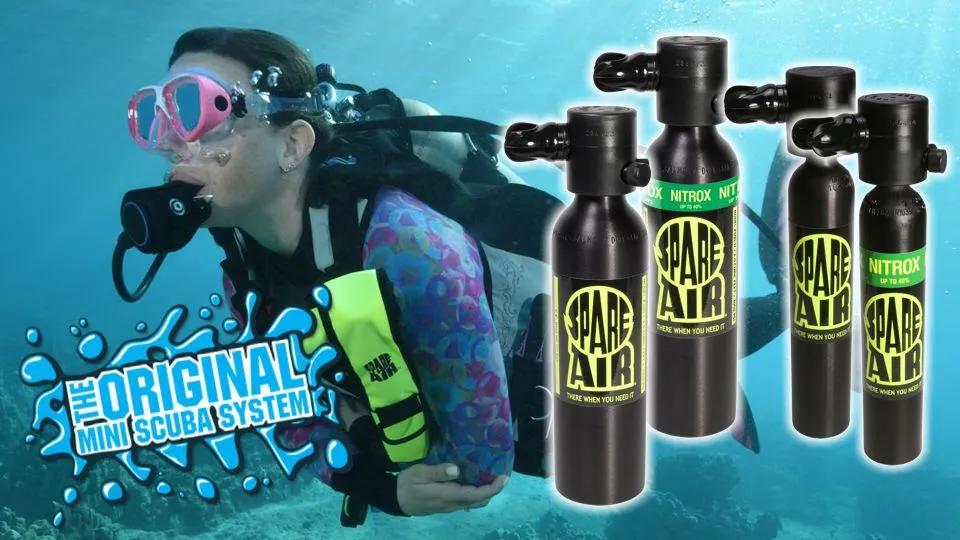
SpareAir is an American brand that revolutionized the mini scuba tank industry with its compact, emergency air supply tanks. Although the brand is well-known for its 0.5L tanks, which provide 60-90 seconds of air, it paved the way for the modern mini tank. SpareAir’s product line, including the SpareAir 3000, introduced the idea of emergency air supply as a critical part of dive safety.
SpareAir’s influence can be seen in the modern design and functionality of mini scuba tanks, inspiring brands like LungTank, DEDPU, and Thaistone to develop portable, cost-effective, and reliable tanks.
Recently Posted
-
Mini-Scuba vs. Traditional Scuba: A Comparison of Advantages for Shallow Water Diving
September 10, 2025Mini-Scuba vs. Traditional Scuba: A Comparison of Advantages for Shallow Water DivingThe underwater world has an undeniable allure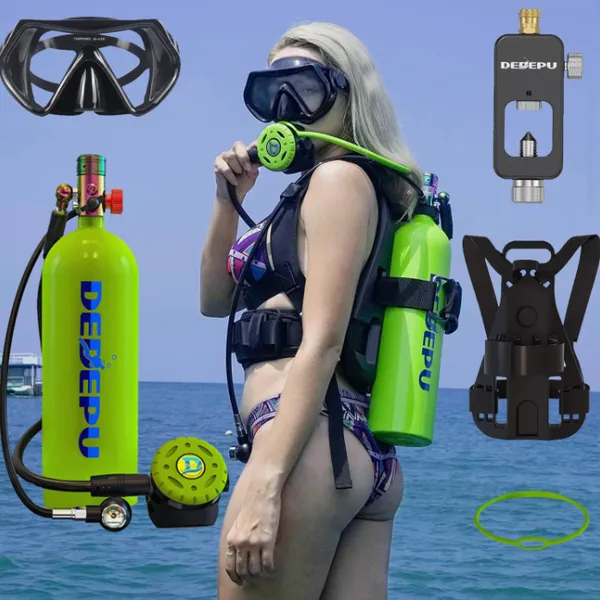 Read More
 -
What is mini scuba tank for recreational diving in the shallow sea dive?
August 21, 2025Thaistone AquaVenturer: Redefining Surface Freedom with Recreational Mini ScubaThe human fascination with the underwater worl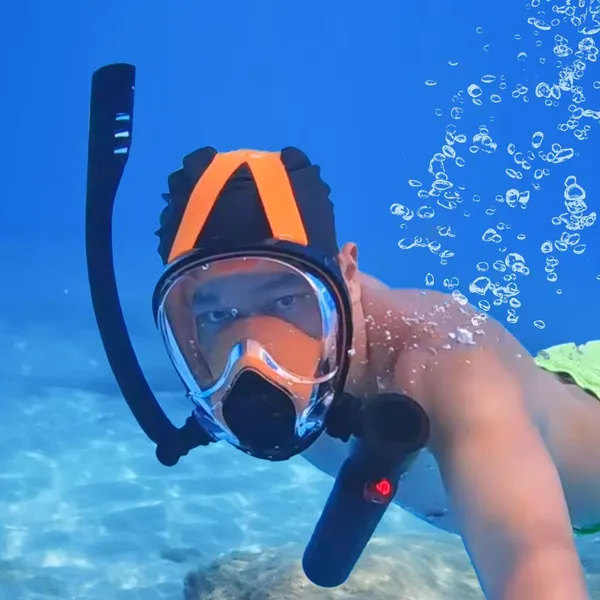 Read More

Contact Us

Recommended Products
-
 THAISTONE 0.5L Lung Tank Mini Scuba Diving Tank With Pump Dive MaskUS$ 115 - 140MOQ: 1 Set
 -
Cheap Lung Tank 2.3L Mini Scuba Diving Dive Air Tank With Snorkeling Mask SetUS$ 178 - 275MOQ: 1 Set
-
WOLAH Mini Scubaa Tank Compressor Recreational Diving Compressor SystemUS$ 985 - 1280MOQ: 1 Set
-
WOLAH 7m 9m Mini Scubaa Tank Compressor Recreational Diving Compressor SystemUS$ 985 - 1280MOQ: 1 Set
-
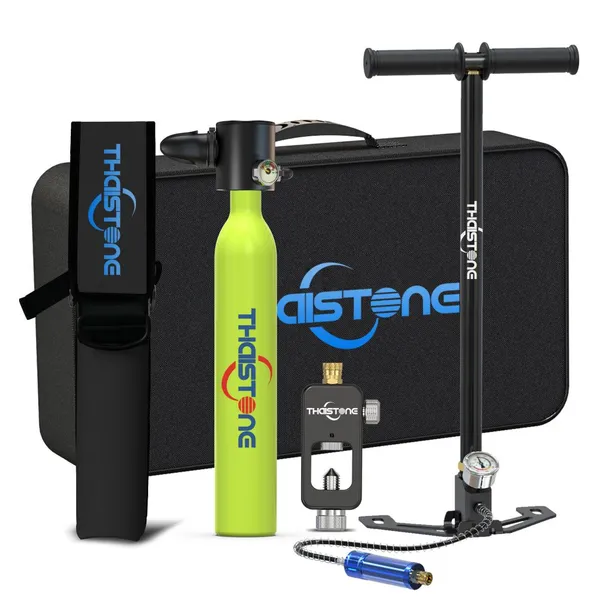
Lung Tank 0.5L Mini Scuba Tank Scuba Snorkel Mask High-Pressure Pump Diving Equipment Breathable Lung Tank Dive Air OxygenUS$ 120 - 160MOQ: 1 Set

-
Lung Tank 0.5L Mini Scuba Tank Scuba Snorkel Mask High-Pressure Pump Diving Equipment Breathable Lung Tank Dive Air OxygenUS$ 120 - 160MOQ: 1 Set
-
THAISTONE 0.5L Mini Scuba Tank Scuba Snorkel Mask High-Pressure Pump Diving Equipment Breathable Lung Tank Dive Air OxygenUS$ 120 - 160MOQ: 1 Set
-
12m Diving Ventilator System Mini Scuba Tank Compressor Recreational DiveUS$ 985 - 1280MOQ: 1 Set
-
WOLAH 9m Mini Scubaa Tank Compressor Recreational Diving Ventilator SystemUS$ 985 - 1280MOQ: 1 Set
-
Cheap 1L Mini Suba Diving Dive Air Tank OEM Logo Dive Gears With High Pressure PumpUS$ 115 - 165MOQ: 1 Set
-
1L Mini Scuba Diving Dive Air Tank OEM Logo Dive Gears With High Pressure PumpUS$ 115 - 165MOQ: 1 Set
-
1L Lung Tank Mini Scuba Diving Dive Air Tank OEM LogoUS$ 115 - 165MOQ: 1 Set
-
1L Lung Tank Mini Scuba Diving Dive Air Tank OEM LogoUS$ 115 - 165MOQ: 1 Set
-
1L Lung Tank Mini Scuba Diving Dive Air Tank OEM LogoUS$ 115 - 165MOQ: 1 Set
-
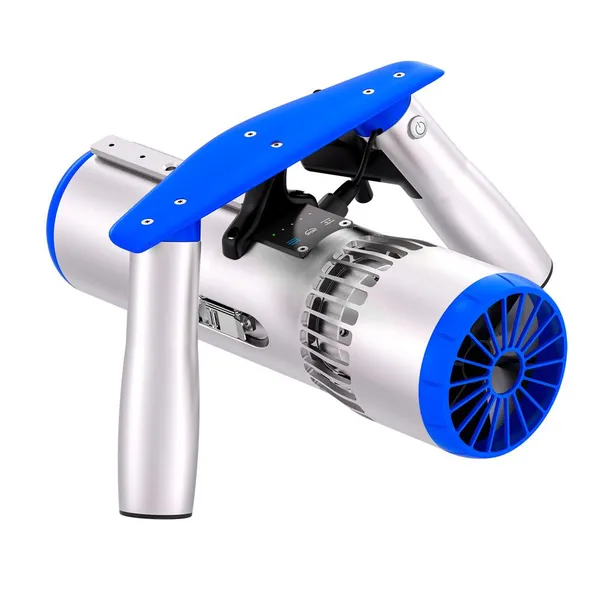
Kun 5 Under Water Scooter Mini Scuba Tank Diving Equipment Shallow Sea DiveUS$ 605 - 620MOQ: 1 Piece
-
THAISTONE 0.5L Double Green Mini Scuba Diving Lung Dive Air Tank With Pump Dive MaskUS$ 115 - 140MOQ: 1 Set
-
Kun 5 Under Water Scooter Mini Scuba Tank Diving Equipment Shallow Sea DiveUS$ 605 - 620MOQ: 1 Piece
-
Kun 5 Under Water Scooter Mini Scuba Tank Diving Equipment Shallow Sea DiveUS$ 605 - 620MOQ: 1 Piece
-
THAISTONE 2.3L Mini Scuba Dive Air Tank Diving Mask Set OEM LogoUS$ 178 - 275MOQ: 1 Set
-
Kun 5 Under Water Scooter Mini Scuba Tank Diving Equipment Shallow Sea DiveUS$ 605 - 620MOQ: 1 Piece