Business License
Mini-Scuba vs. Traditional Scuba: A Comparison of Advantages for Shallow Water Diving
Mini-Scuba vs. Traditional Scuba: A Comparison of Advantages for Shallow Water Diving
The underwater world has an undeniable allure, and technology has made it more accessible than ever. For shallow water exploration, two primary breathing systems are often considered: the compact mini-scuba unit and the traditional scuba regulator connected to a standard tank. While both allow you to breathe underwater, they are designed for fundamentally different purposes. Understanding their distinct advantages is key to choosing the right tool for your aquatic adventure.
Mini-Scuba: The Compact Emergency & Snorkeling Companion
Mini-scuba systems, such as Spare Air, Poseidon Atmos, or similar brands, are small, handheld emergency breathing devices. They typically consist of a small high-pressure cylinder (holding just a few breaths to several minutes of air) and a integrated regulator.
**Advantages of Mini-Scuba:**
1. **Ultimate Portability and Compactness:** This is their defining feature. A mini-scuba unit is small enough to clip onto your Buoyancy Control Device (BCD) or even hold in one hand. It adds negligible weight and bulk, making it incredibly easy to travel with and manage on the surface.
2. **Designed for Emergency Use:** Its sole purpose is to provide a diver with a safe and rapid ascent to the surface in the event of a primary air supply failure. It is a safety device first and foremost.
3. **Simplicity and Ease of Use:** There are no complicated setups. Most models are "grab and go"—you simply place the regulator in your mouth and breathe. This simplicity is crucial in a high-stress emergency situation.
4. **Ideal for Certain Surface Applications:** Freedivers and spearos use them as a "safety bottle" to recover their breath at the surface after a long dive, avoiding hypoxia. Snorkelers also use them to extend their surface viewing time without lifting their head to breathe.
#### **Traditional Scuba: The Full-Featured Diving Workhorse**
The traditional scuba setup involves a larger aluminum or steel tank (e.g., an 80-cubic-foot cylinder) connected via a regulator first stage to a primary second stage regulator and an alternate air source (octopus).
**Advantages of Traditional Scuba:**
1. **Extended Dive Time:** This is the most significant advantage. A standard tank provides **30 to 60 minutes or more** of underwater time, allowing for proper exploration, photography, and relaxation. A mini-scuba offers mere minutes for emergency ascent only.
2. **Redundancy and Safety Features:** A traditional setup includes an alternate air source (octopus) for your buddy, a submersible pressure gauge (SPG) to monitor your air supply precisely, and often a integrated BCD inflation system. A mini-scuba has no gauges and is a single point of failure.
3. **Superior Performance and Comfort:** Modern regulators are engineered to deliver air effortlessly at any depth, against any current, and while the diver is in any position. They are designed for comfort during long, continuous breathing.
4. **Versatility and Depth Capability:** Traditional scuba is not limited to "shallow" water. With the appropriate training and gas mixtures, it can be used for deep recreational and technical dives. Mini-scuba units are strictly for very shallow ascents.
### **Head-to-Head: The Key Differences**
| Feature | **Mini-Scuba** | **Traditional Scuba** |
| :--- | :--- | :--- |
| **Primary Purpose** | **Emergency ascent** and surface aid | **Extended underwater exploration** |
| **Air Supply Duration** | **Very short** (2-5 minutes for ascent) | **Long** (30-60+ minutes) |
| **Portability** | **Extremely high** (pocket-sized, lightweight) | **Low** (large, heavy tank and gear) |
| **Best For** | Emergency backup, snorkelers, freedivers | Recreational diving, dive tours, training |
| **Safety Features** | **None** (no gauge, single system) | **High** (SPG, octopus, BCD inflation) |
| **Breathing Comfort** | Functional for short bursts | **Optimized** for ease and comfort over long periods |
| **Depth Limitation** | Very shallow use only | Suitable for all recreational depths |
| **Training Required** | Basic familiarization | **Certification required** (Open Water Diver) |
### **Conclusion: Complementary, Not Competitive**
It is a misconception to view mini-scuba and traditional scuba as direct competitors. They serve vastly different roles.
* **Traditional Scuba** is the **primary tool** for diving. It is what enables the activity itself, providing the air, time, and safety features for a full, enjoyable dive.
* **Mini-Scuba** is a **specialized safety tool**. It is an excellent *supplement* to a traditional setup, acting as a highly portable and personal emergency backup. It can also enhance surface-based water sports.
For any certified diver planning a true underwater excursion, a traditional scuba system is the indispensable and only correct choice. Adding a mini-scuba unit as an extra layer of safety is a prudent decision. However, relying on a mini-scuba unit *instead of* a proper scuba setup for diving is extremely dangerous and fundamentally misunderstands its limited purpose. Choose wisely, dive safely, and always prioritize proper training and equipment.
Recently Posted
-
The Advantages of Mini Scuba Tanks: A Comparative Guide with Standard Scuba Diving Equipment
August 30, 2025The Advantages of Mini Scuba Tanks: A Comparative Guide with Standard Scuba Diving EquipmentIntroductionScuba diving has long been Read More
 -
What is mini scuba tank for recreational diving in the shallow sea dive?
August 21, 2025Thaistone AquaVenturer: Redefining Surface Freedom with Recreational Mini ScubaThe human fascination with the underwater worl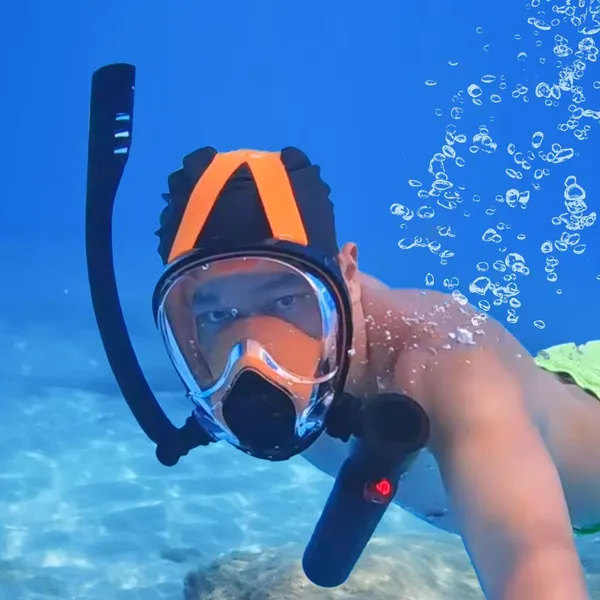 Read More

Contact Us

Recommended Products
-
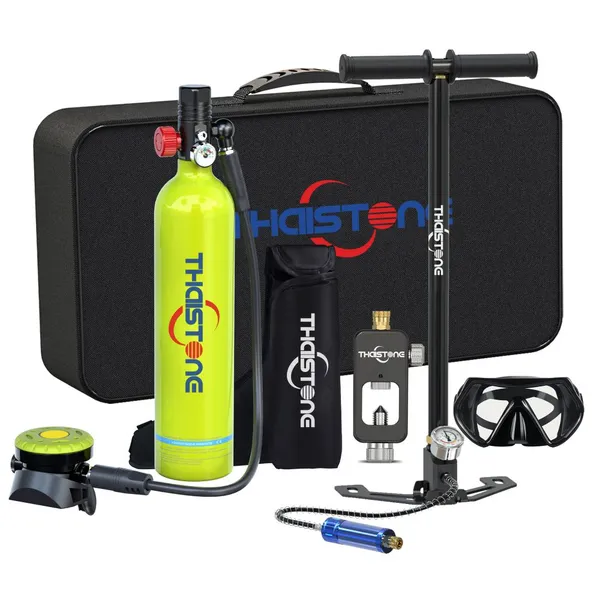
 THAISTONE 0.5L Lung Tank Mini Scuba Diving Tank With Pump Dive MaskUS$ 115 - 140MOQ: 1 Set
 -
Cheap Lung Tank 2.3L Mini Scuba Diving Dive Air Tank With Snorkeling Mask SetUS$ 178 - 275MOQ: 1 Set
-
WOLAH Mini Scubaa Tank Compressor Recreational Diving Compressor SystemUS$ 985 - 1280MOQ: 1 Set
-
WOLAH 7m 9m Mini Scubaa Tank Compressor Recreational Diving Compressor SystemUS$ 985 - 1280MOQ: 1 Set
-
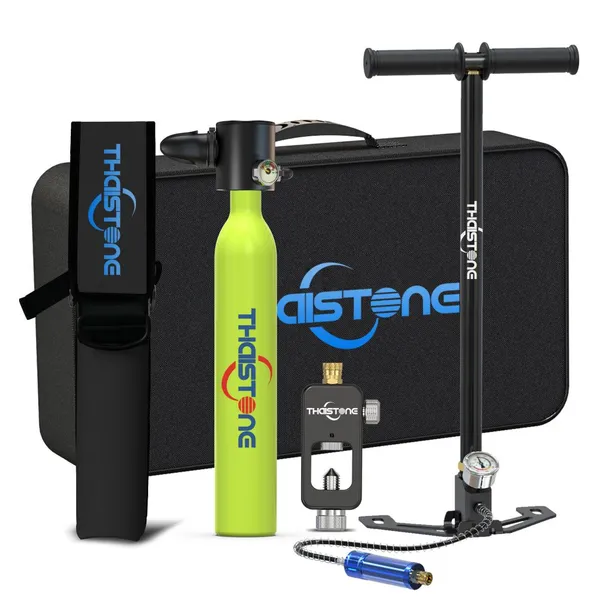
Lung Tank 0.5L Mini Scuba Tank Scuba Snorkel Mask High-Pressure Pump Diving Equipment Breathable Lung Tank Dive Air OxygenUS$ 120 - 160MOQ: 1 Set
-
Lung Tank 0.5L Mini Scuba Tank Scuba Snorkel Mask High-Pressure Pump Diving Equipment Breathable Lung Tank Dive Air OxygenUS$ 120 - 160MOQ: 1 Set
-
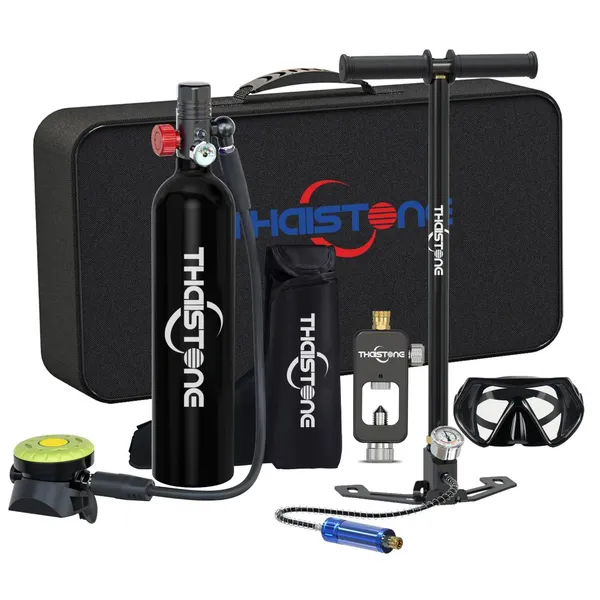
THAISTONE 0.5L Mini Scuba Tank Scuba Snorkel Mask High-Pressure Pump Diving Equipment Breathable Lung Tank Dive Air OxygenUS$ 120 - 160MOQ: 1 Set
-
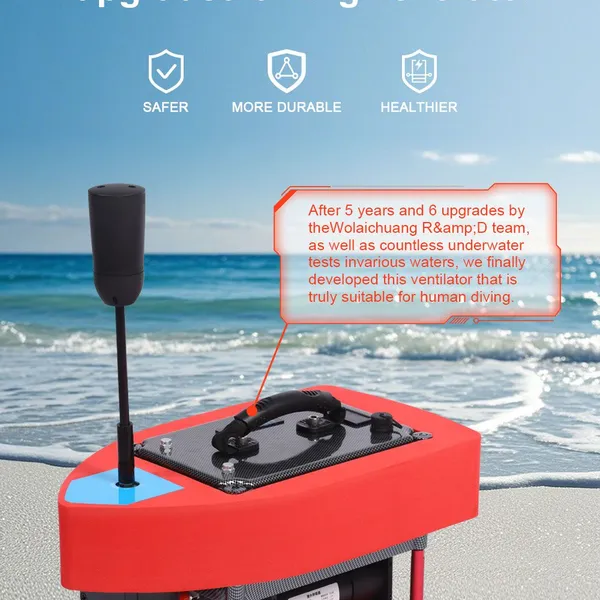
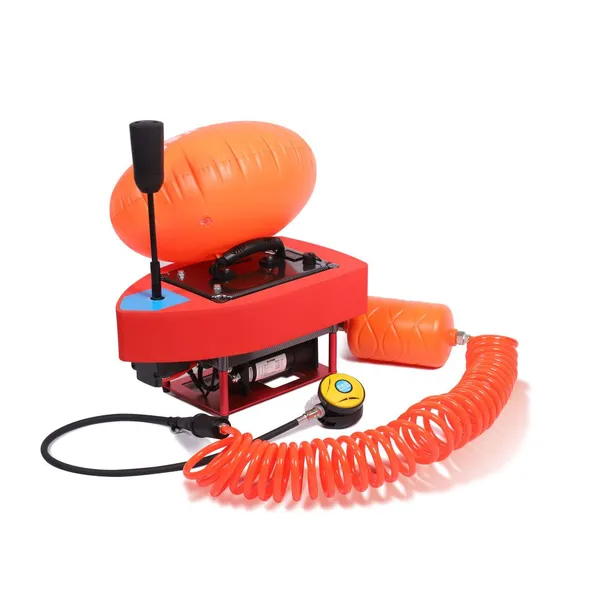
12m Diving Ventilator System Mini Scuba Tank Compressor Recreational DiveUS$ 985 - 1280MOQ: 1 Set
-
WOLAH 9m Mini Scubaa Tank Compressor Recreational Diving Ventilator SystemUS$ 985 - 1280MOQ: 1 Set
-
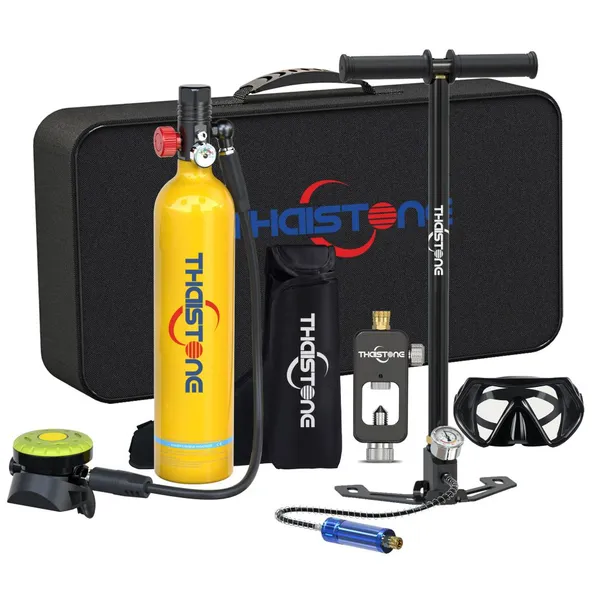
Cheap 1L Mini Suba Diving Dive Air Tank OEM Logo Dive Gears With High Pressure PumpUS$ 115 - 165MOQ: 1 Set
-
1L Mini Scuba Diving Dive Air Tank OEM Logo Dive Gears With High Pressure PumpUS$ 115 - 165MOQ: 1 Set
-
1L Lung Tank Mini Scuba Diving Dive Air Tank OEM LogoUS$ 115 - 165MOQ: 1 Set
-
1L Lung Tank Mini Scuba Diving Dive Air Tank OEM LogoUS$ 115 - 165MOQ: 1 Set
-
1L Lung Tank Mini Scuba Diving Dive Air Tank OEM LogoUS$ 115 - 165MOQ: 1 Set
-
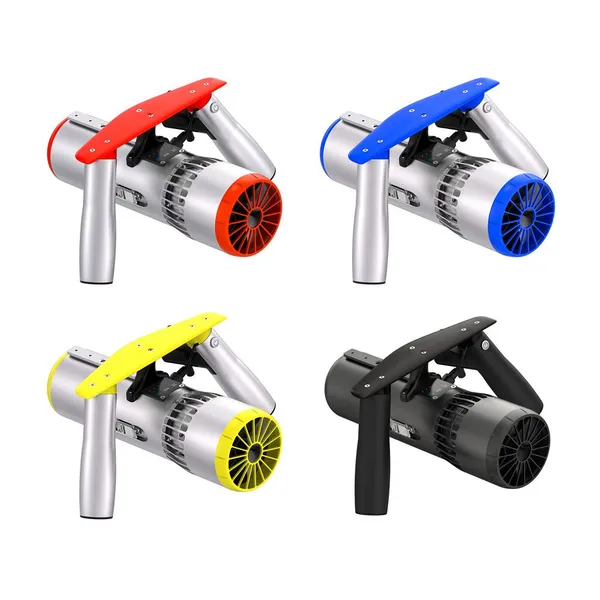
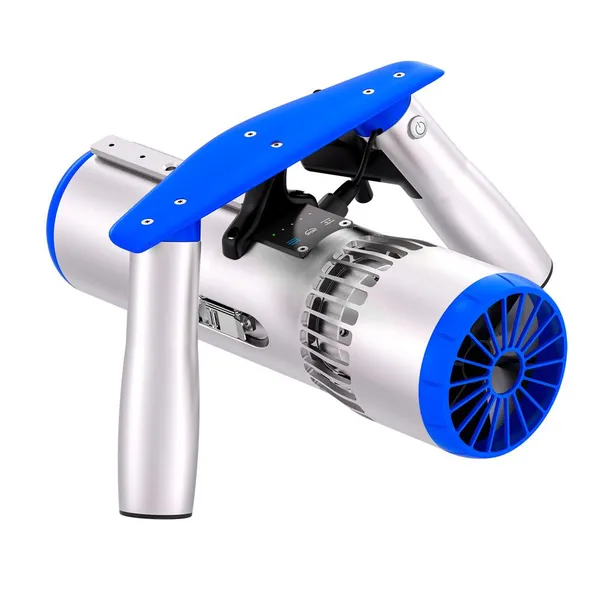
Kun 5 Under Water Scooter Mini Scuba Tank Diving Equipment Shallow Sea DiveUS$ 605 - 620MOQ: 1 Piece
-
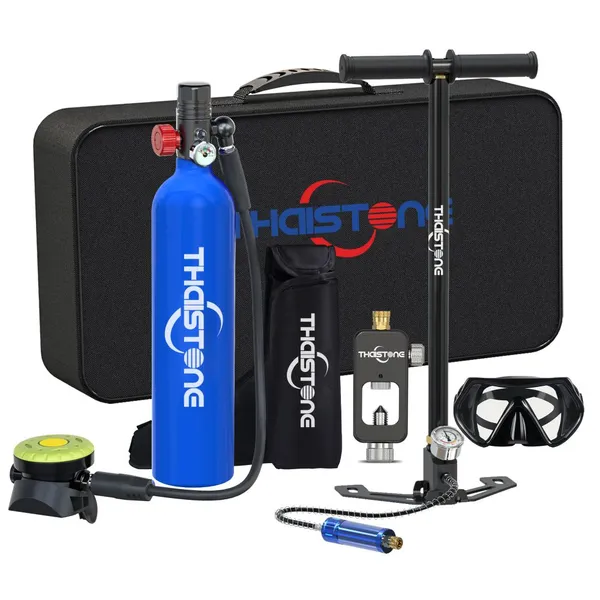
THAISTONE 0.5L Double Green Mini Scuba Diving Lung Dive Air Tank With Pump Dive MaskUS$ 115 - 140MOQ: 1 Set
-
Kun 5 Under Water Scooter Mini Scuba Tank Diving Equipment Shallow Sea DiveUS$ 605 - 620MOQ: 1 Piece
-
Kun 5 Under Water Scooter Mini Scuba Tank Diving Equipment Shallow Sea DiveUS$ 605 - 620MOQ: 1 Piece
-
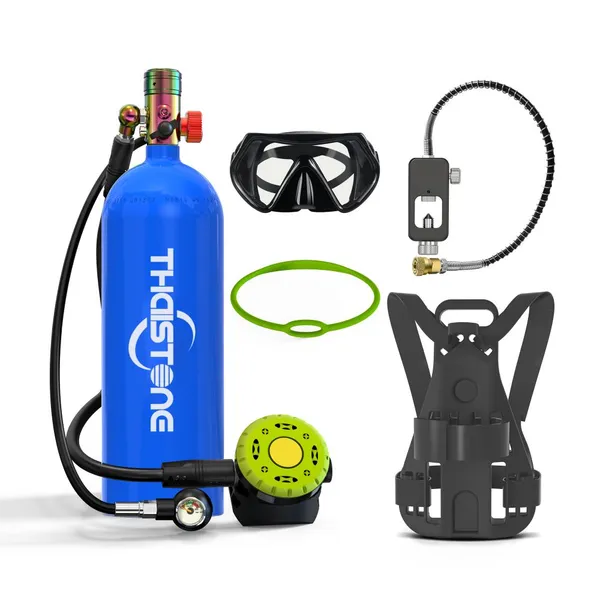
THAISTONE 2.3L Mini Scuba Dive Air Tank Diving Mask Set OEM LogoUS$ 178 - 275MOQ: 1 Set
-
Kun 5 Under Water Scooter Mini Scuba Tank Diving Equipment Shallow Sea DiveUS$ 605 - 620MOQ: 1 Piece